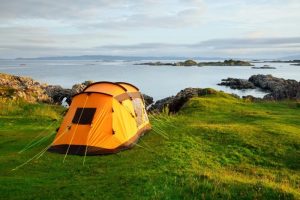
Embark on a journey through the untamed beauty of wildlife safari experiences, where every moment brings you closer to nature’s most captivating wonders. From majestic encounters to breathtaking landscapes, prepare to be enthralled by the magic of the wild.
Explore the world of wildlife safaris and immerse yourself in a realm where adventure meets conservation, creating unforgettable memories that will last a lifetime.
Introduction to Wildlife Safari Experiences
Wildlife safari experiences involve exploring natural habitats to observe and learn about various wild animals in their natural environment. These excursions often take place in national parks, game reserves, or protected areas where wildlife thrives.
Wildlife safaris play a crucial role in conservation efforts by raising awareness about the importance of preserving natural habitats and protecting endangered species. Through education and firsthand encounters with wildlife, tourists gain a deeper appreciation for the beauty and diversity of the natural world.
The Appeal of Wildlife Safaris to Tourists
Wildlife safaris offer a unique opportunity for tourists to witness animals in their natural habitat, away from the confines of a zoo or wildlife park. The thrill of spotting majestic creatures like lions, elephants, and giraffes in the wild creates unforgettable memories and a sense of connection to nature.
Popular Wildlife Safari Destinations
When it comes to wildlife safari experiences, there are several destinations around the world that stand out for their unique wildlife species and breathtaking landscapes. Each location offers a different set of experiences, allowing visitors to witness a diverse range of animals in their natural habitat.
1. Maasai Mara National Reserve, Kenya
The Maasai Mara National Reserve in Kenya is renowned for its population of the “Big Five” game animals – lions, elephants, buffalos, leopards, and rhinoceros. Additionally, visitors can witness the annual wildebeest migration, where millions of wildebeests, zebras, and gazelles cross the Mara River in search of greener pastures.
2. Serengeti National Park, Tanzania
Serengeti National Park in Tanzania is famous for its vast savannahs and diverse wildlife, including lions, cheetahs, giraffes, and hippos. The park also hosts the Great Migration, where thousands of animals travel across the plains in search of food and water.
3. Kruger National Park, South Africa
Kruger National Park in South Africa is one of the largest game reserves in Africa, home to a wide variety of animals such as elephants, rhinos, and lions. Visitors can enjoy guided safaris, bush walks, and even hot air balloon rides to get a different perspective of the park.
4. Ranthambore National Park, India
Ranthambore National Park in India is known for its population of Bengal tigers, making it a popular destination for wildlife enthusiasts. Apart from tigers, visitors can also spot leopards, sloth bears, and various species of birds in the park.
5. Galapagos Islands, Ecuador
The Galapagos Islands in Ecuador offer a unique wildlife experience with species found nowhere else on earth, such as the marine iguana and Galapagos tortoise. Visitors can explore the diverse marine life through snorkeling and diving excursions.
Types of Wildlife Safari Experiences
When it comes to wildlife safari experiences, there are various types to choose from, each offering a unique way to explore the wilderness and encounter majestic animals in their natural habitat. Let’s delve into the different types of wildlife safaris and discuss their advantages and disadvantages.
Walking Safaris
Walking safaris provide a more intimate and immersive experience, allowing you to get up close to wildlife on foot. This type of safari is perfect for nature enthusiasts who want to feel a deep connection with the environment. However, walking safaris can be physically demanding and require a certain level of fitness. It also involves more risks as you are in closer proximity to potentially dangerous animals.
Luxury Safaris
Luxury safaris offer a comfortable and lavish way to experience the wilderness, with high-end accommodations, gourmet meals, and personalized service. This type of safari is ideal for those who prefer a luxurious retreat while enjoying wildlife sightings. However, luxury safaris can be quite expensive compared to other options, making them less accessible to budget travelers.
Self-Drive Safaris
Self-drive safaris give you the freedom to explore at your own pace and create your itinerary. You can venture into remote areas and have the flexibility to spend more time observing wildlife. This type of safari is suitable for independent travelers who enjoy the thrill of self-guided adventures. On the downside, self-drive safaris require good navigation skills and knowledge of wildlife behavior to ensure a safe and enjoyable experience.
Wildlife Encounters
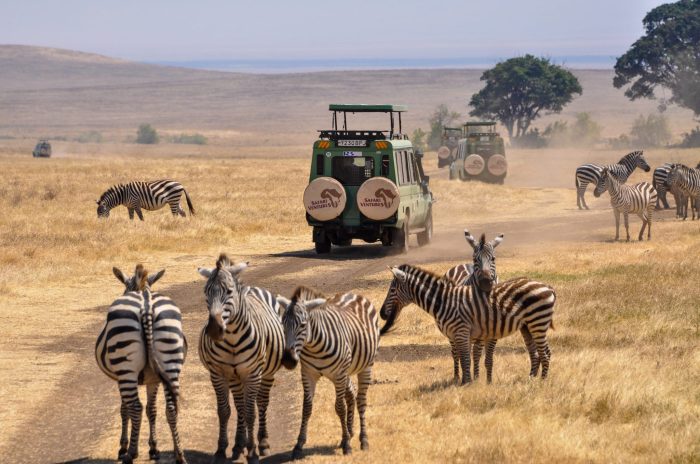
During a wildlife safari, encountering animals in their natural habitat can be a truly unforgettable experience. Whether it’s spotting a majestic lion roaming the savannah or witnessing a herd of elephants bathing in a watering hole, these moments create lasting memories for safari-goers.
Memorable Wildlife Encounters
- Observing a mother cheetah teaching her cubs how to hunt, showcasing the intricate dynamics of family life in the wild.
- Witnessing a rare sighting of a leopard resting on a tree branch, camouflaged perfectly against the backdrop of the lush greenery.
- Encountering a group of playful gorillas in the dense forests, displaying human-like behaviors and social interactions.
Safety Measures and Guidelines
When interacting with wildlife during a safari, it is crucial to follow safety measures and guidelines to ensure both the well-being of the animals and the safety of visitors. Some key safety tips include:
- Keeping a safe distance from wild animals to avoid disturbing their natural behavior and to prevent any potential harm.
- Listening to the instructions of trained guides and rangers who are knowledgeable about animal behavior and safety protocols.
- Avoiding any sudden movements or loud noises that could startle or agitate the animals.
Ethical Considerations
When observing animals in their natural habitat, it is important to uphold ethical considerations to ensure the well-being and conservation of wildlife. Some ethical guidelines to keep in mind include:
- Respecting the animals’ space and habitat by observing from a distance without intruding on their natural environment.
- Avoiding feeding wild animals or engaging in any activities that could negatively impact their health or behavior.
- Supporting wildlife conservation efforts and responsible tourism practices that prioritize the welfare of animals and their habitats.
Safari Accommodation Options
When embarking on a wildlife safari experience, choosing the right accommodation is crucial for a comfortable and enjoyable trip. Here, we will explore the various options available to suit different preferences and budgets.
Tented Camps
Tented camps offer a more authentic and immersive safari experience, allowing you to be closer to nature. These camps usually consist of luxury tents with comfortable bedding and en-suite bathrooms. While they provide a rustic feel, they still offer modern amenities such as electricity and hot water.
Lodges
Lodges are a popular choice for safari accommodation, providing a mix of comfort and convenience. These establishments range from budget-friendly to luxury options, offering spacious rooms, on-site dining facilities, and often stunning views of the surrounding wildlife.
Luxury Resorts
For those seeking a high-end safari experience, luxury resorts provide top-notch amenities and services. These resorts feature luxurious suites, gourmet dining options, spa facilities, and exclusive wildlife viewing experiences. While they come at a higher price point, they offer unparalleled comfort and luxury.
Choosing the Right Accommodation
- Consider your budget: Determine how much you are willing to spend on accommodation and choose options that fit within your budget.
- Location: Decide whether you prefer to stay inside or outside the national park, as this can impact your wildlife viewing opportunities.
- Amenities: Look for accommodation that offers amenities important to you, such as Wi-Fi, swimming pools, or guided safari tours.
- Reviews: Research online reviews and recommendations from previous guests to ensure the accommodation meets your expectations.
Safari Packing Tips
When preparing for a wildlife safari, it is crucial to pack wisely to ensure a comfortable and successful trip. Here are some essential tips to consider:
Clothing
- Lightweight, breathable clothing for hot days
- Long-sleeved shirts and pants to protect against insects and the sun
- A warm jacket or sweater for cool mornings and evenings
- Comfortable closed-toe shoes for walking safaris
- A wide-brimmed hat and sunglasses for sun protection
- Swimwear if your safari includes water activities
Gear
- Binoculars for wildlife spotting
- A camera with extra batteries and memory cards
- A flashlight or headlamp for nighttime visibility
- A reusable water bottle to stay hydrated
- A small backpack for day trips
- Sunscreen and insect repellent
Other Essentials
- A valid passport and any necessary travel documents
- Prescription medications and basic first aid supplies
- A good book or journal for downtime between safaris
- A travel adapter for charging electronic devices
- Cash in local currency for tips and souvenirs
Packing light and practical is key for a safari trip, as you may have limited luggage space and will need to transport your belongings between destinations. Choose versatile clothing and gear that can be easily layered and mix and matched. Remember to check the weather conditions of your safari destination to pack accordingly, and always follow any specific packing guidelines provided by your tour operator.
Safari Photography Tips
Capturing stunning wildlife photographs during a safari requires a combination of skill, patience, and the right equipment. Wildlife photography is all about timing and being prepared to seize the moment when an animal appears.When embarking on a wildlife safari, it’s essential to have the proper camera equipment and accessories to ensure you can capture those memorable moments. Here are some tips to enhance your safari photography experience:
Best Camera Equipment and Accessories
- Invest in a telephoto lens to get up close and personal with wildlife without disturbing their natural habitat.
- Bring a sturdy tripod to stabilize your shots, especially when using longer lenses.
- Consider a camera with a fast burst mode to capture quick movements of animals in action.
- Bring extra batteries and memory cards to avoid missing out on any shots.
Composition, Lighting, and Framing
- Pay attention to the rule of thirds to create visually appealing compositions.
- Utilize natural light to enhance your photos, such as during golden hour for warm, soft lighting.
- Experiment with different angles and perspectives to add interest to your wildlife shots.
- Frame your subjects within their natural environment to provide context and tell a story through your photographs.
Conservation and Sustainability in Wildlife Safaris
Wildlife safaris play a crucial role in supporting conservation efforts and promoting sustainability in protecting natural habitats and wildlife species.
Conservation Efforts Supported by Wildlife Safaris
Wildlife safaris contribute to conservation efforts by raising awareness about the importance of preserving natural habitats and wildlife, funding conservation projects, and supporting research initiatives to protect endangered species.
Sustainable Practices in Safari Operations
- Implementing eco-friendly practices such as waste management, water conservation, and energy efficiency in safari lodges and camps.
- Encouraging responsible tourism behavior among visitors, such as minimizing waste and respecting wildlife habitats.
- Supporting local communities through sustainable tourism initiatives that provide economic opportunities and incentives for conservation.
Community Involvement and Benefits
- Engaging local communities in wildlife tourism activities, such as guided tours and cultural experiences, to promote a sense of ownership and stewardship over natural resources.
- Providing employment opportunities, skills training, and revenue-sharing programs to ensure that communities benefit directly from wildlife tourism.
- Empowering local communities to participate in conservation efforts and wildlife monitoring to safeguard their natural heritage for future generations.
Wildlife Safari vs. Other Holiday Types
When comparing wildlife safari experiences with other holiday types like beach holidays, ski holidays, and city breaks, it becomes evident that each offers a unique set of attractions and experiences to travelers. Wildlife safaris, in particular, stand out for their focus on nature, wildlife encounters, and conservation efforts, providing a distinct and enriching vacation experience.
Beach Holidays
Beach holidays are known for their relaxing atmosphere, water activities, and gorgeous seaside views. While they offer a chance to unwind and enjoy the sun and sand, wildlife safaris provide a more immersive experience in natural habitats and the opportunity to observe wild animals in their element.
Ski Holidays
Ski holidays are popular among adventure seekers who enjoy winter sports and alpine landscapes. In contrast, wildlife safaris offer a different kind of adventure by taking travelers on game drives, bush walks, and boat safaris to witness diverse wildlife species in their natural habitats, providing a unique and educational experience.
City Breaks
City breaks cater to those interested in exploring urban culture, historical sites, and vibrant city life. On the other hand, wildlife safaris offer a peaceful retreat into the wilderness, away from the hustle and bustle of city living, allowing travelers to connect with nature and experience the beauty of the natural world up close.Overall, the appeal of wildlife safaris lies in their ability to offer a deeper connection with nature, unique wildlife encounters, and a sense of adventure and discovery that cannot be replicated in other holiday types.
Whether travelers seek relaxation, adventure, or educational experiences, wildlife safaris provide a one-of-a-kind opportunity to explore the wonders of the natural world and contribute to conservation efforts.
Personal Growth and Reflection on Wildlife Safaris
Embarking on a wildlife safari is not just about observing animals in their natural habitat; it can also be a transformative experience that leads to personal growth and self-reflection. Many individuals find themselves profoundly impacted by the encounters they have during these safaris, leading to a shift in their values and worldview.
Personal Stories of Transformation
During a wildlife safari in Kenya, I had the opportunity to witness a mother cheetah teaching her cubs how to hunt. The dedication and care she showed towards her offspring resonated with me deeply, highlighting the importance of family bonds and nurturing relationships. This experience made me reflect on the significance of love and support in our own lives.
Impact of Wildlife Encounters on Personal Values
- Witnessing the majesty of elephants in their natural habitat taught me the importance of conservation and protecting endangered species.
- Observing the intricate social dynamics of a pride of lions made me appreciate the value of teamwork and cooperation in achieving common goals.
- Encountering local communities living harmoniously with wildlife showed me the significance of sustainable practices and coexistence.
Long-lasting Memories and Lessons Learned
- The sights, sounds, and smells of the savannah continue to linger in my mind, reminding me of the beauty and fragility of our natural world.
- The lessons of patience, respect for nature, and humility learned during the safari have stayed with me, shaping my interactions with the environment and others.
- The connections formed with fellow travelers and guides have enriched my life, fostering a sense of community and shared experiences that transcend borders.
Closure
As you reflect on the captivating journey of wildlife safari experiences, remember that each encounter with nature leaves a lasting imprint on your soul. From the thrill of the chase to the serenity of observing wildlife in their habitat, these experiences offer a profound connection to the natural world.
FAQ Insights
What should I pack for a wildlife safari?
Essentials include sturdy walking shoes, binoculars, a camera, lightweight clothing, and insect repellent.
Is it safe to interact with wildlife during a safari?
It’s crucial to follow safety guidelines and maintain a respectful distance from animals to ensure both your safety and theirs.
How can I choose the right accommodation for a wildlife safari?
Consider your budget, preferred level of comfort, and proximity to wildlife hotspots when selecting accommodation options.
What camera equipment is best for wildlife photography on a safari?
A DSLR camera with a telephoto lens and a sturdy tripod can help capture stunning wildlife shots in the wild.
How do wildlife safaris contribute to conservation efforts?
By promoting eco-tourism and raising awareness about wildlife conservation, safaris play a crucial role in protecting endangered species and their habitats.